Appraising aesthetics in product design involves multiples senses assessments. The looks, weight, texture, odor, noise are some of the overlooked elements that users always consider while making the decision to own a product. Multi-sensory design is an approach that incorporates multiple senses—sight, sound, touch, smell, and taste—into the creation of products, environments, and experiences to enhance user interaction (Figure 1). By engaging more than just the visual sense, this design strategy creates richer, more immersive experiences that deeply connect with users on a psychological and emotional level.

Figure 1. Tactile and Odor
Visual elements like colors, shapes, and lighting help convey mood and aesthetics, such as in a smartphone with vibrant screens, intuitive interfaces, and unique designs that immediately capture attention. This visual appeal is essential for drawing users in and making a lasting impression. Sound, too, plays a pivotal role in shaping user experience. It can influence emotions and guide actions, as seen in the soothing sounds of a coffee machine brewing or the quality sound of a car door being shut. These auditory cues help create a sense of comfort and familiarity, enhancing usability. Tactile feedback, such as the satisfying vibration or the precise button press on a high-end smartphone like the iPhone, also plays a crucial role in ensuring that users feel a sense of control and comfort when interacting with a product. The texture of materials used in physical products, such as the smooth
Appraising aesthetics in product design involves multiples senses assessments. The looks, weight, texture, odor, noise are some of the overlooked elements that users always consider while making the decision to own a product. Multi-sensory design is an approach that incorporates multiple senses—sight, sound, touch, smell, and taste—into the creation of products, environments, and experiences to enhance user interaction (Figure 1). By engaging more than just the visual sense, this design strategy creates richer, more immersive experiences that deeply connect with users on a psychological and emotional level.
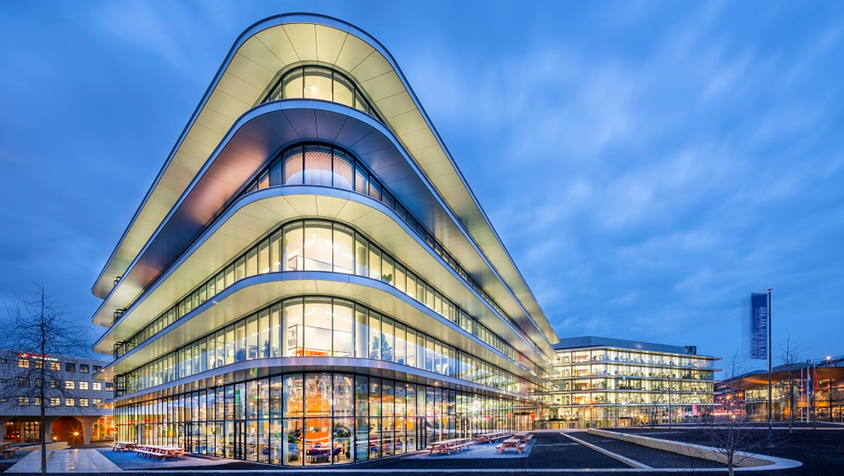
Figure 2. ING Bank Headquarters Amsterdam
Visual elements like colors, shapes, and lighting help convey mood and aesthetics, such as in a smartphone with vibrant screens, intuitive interfaces, and unique designs that immediately capture attention. This visual appeal is essential for drawing users in and making a lasting impression. Sound, too, plays a pivotal role in shaping user experience. It can influence emotions and guide actions, as seen in the soothing sounds of a coffee machine brewing or the quality sound of a car door being shut. These auditory cues help create a sense of comfort and familiarity, enhancing usability. Tactile feedback, such as the satisfying vibration or the precise button press on a high-end smartphone like the iPhone, also plays a crucial role in ensuring that users feel a sense of control and comfort when interacting with a product. The texture of materials used in physical products, such as the smooth
surface of polished marble floors or the ergonomic design of an electric shaver, can significantly impact a user's experience. The sense of smell can also influence moods and evoke memories, particularly in retail environments where it is used to enhance the in-store experience. In addition, sometimes also known as scent marketing, one notable example is ING Bank in the Netherlands (Figure 2), which uses a fragrance designed to evoke the scent of money, specifically the smell of cash. This scent is subtly diffused in their branches, aiming to create a fresh, luxurious, and stimulating environment for customers. Taste, while often underrepresented, is integral to food-related design, as seen in gourmet chocolates or artisanal coffees, where packaging is often designed to enhance the visual and tactile experience, further elevating the sensory experience of the product itself. Even everyday items like mint-flavored toothpaste engage our taste buds to create a memorable sensory experience.
Multi-sensory design finds applications in areas like retail, product design, architecture, and even digital spaces. By engaging multiple senses, this approach encourages deeper user engagement, promotes inclusivity, and creates more memorable, impactful experiences that users connect with on a deeper level.


Tarikh Input: 06/01/2025 | Kemaskini: 06/01/2025 | marini
PERKONGSIAN MEDIA