Crafting Exceptional User Experiences in Industrial Design: Merging Aesthetics, Functionality, and Emotion
Ts. Mohamad Saiful Sazwan Mohd Rashid
In industrial design, user experience (UX) plays a crucial role in how well a product connects with its audience. By integrating aesthetics, functionality, and emotion, designers can create products that meet practical needs while also fostering emotional connections and long-term satisfaction. This holistic approach ensures that products are more than just tools. Aesthetic appeal attracts users initially, functionality ensures usability, and emotion builds lasting connections. Together, these elements define a product's character and its ability to resonate with users on multiple levels.
The Role of Aesthetics and Functionality in Design
The interplay between aesthetics and functionality has long been a cornerstone of design philosophy, particularly in industrial design. While aesthetics appeal to users' emotions and create memorable experiences, functionality ensures that products are practical and efficient. Striking the right balance between these elements is crucial for creating designs that are not only beautiful but also purposeful.
Aesthetic Appeal
Products with striking visual designs capture attention and forge an emotional connection with users. For example, sleek forms and harmonious proportions can evoke feelings of sophistication or trust. Aesthetics influence both first impressions and long-term user satisfaction. Elements such as colour, material, and form can evoke emotions like joy or trust. The aesthetic-usability effect demonstrates how users often perceive aesthetically pleasing designs as more functional, even if objective usability remains unchanged.
Functional Excellence
Functional design ensures that products are intuitive and easy to use. Features such as ergonomic shapes, logical button placements, and seamless interfaces reduce user fatigue and enhance efficiency. Functionality focuses on solving practical problems effectively, ensuring usability is at the forefront. Industrial designers prioritize user-centric approaches by conducting research to understand behavior and preferences, tailoring designs to optimize the user experience.
Aesthetics and functionality are both vital components of industrial design. Aesthetics engage users emotionally and reinforce brand identity, while functionality ensures practicality and ease of use. The most successful designs achieve a harmonious balance between these elements, creating products that are both beautiful and functional. By merging aesthetics with functionality, products transcend being mere tools and transform into meaningful, user-centered experiences.
Emotional Design: Shaping User Experience Through Emotion
Emotional responses to products significantly influence their perceived value and success. Emotions play a pivotal role in shaping user experiences and determining product outcomes. In today’s competitive market, where aesthetics and functionality often resemble one another, emotional connections can become the key differentiating factor for both products and brands. Emotional design focuses on creating products that evoke positive feelings across three cognitive levels: visceral, behavioral, and reflective. This approach ensures that users not only find the product functional but also develop a lasting emotional attachment to it.
Visceral Design: The Power of First Impressions
Visceral design, as defined by Don Norman in Emotional Design, refers to the immediate, subconscious emotional response triggered by the visual and sensory qualities of a product. It is the first level of emotional design, focusing on how a product looks, feels, and sounds, and how these attributes create an instinctive reaction in users. This aspect of design is crucial for creating positive first impressions and establishing an emotional connection with users.
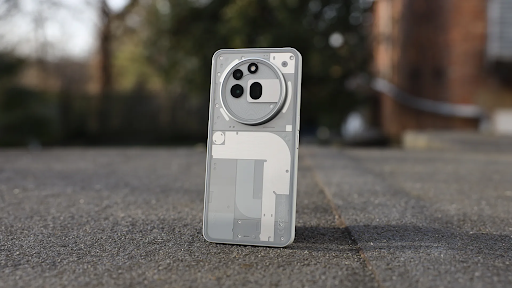
The transparent back of the newly launched 2025 Nothing Phone 3a Pro is a striking visual element that immediately captures attention. Its unique design, featuring LED light strips, elicits an emotional reaction, evoking feelings of curiosity and excitement, which can make users feel more connected to the product from the very first glance.
Behavioural Design: Influencing Human Actions Through Design
Behavioural design is a strategic approach that influences human behaviour in both physical and digital environments. It aims to guide users toward specific actions or decisions by addressing their motivations, habits, and cognitive biases. This methodology has found applications in diverse fields, including product design.
The Nothing Phone 3a Pro features a seamless, intuitive user interface, making tasks like app navigation and adjusting settings effortless. Its ergonomically designed frame fits comfortably in the hand, reducing cognitive load and enhancing usability. This encourages more efficient interactions, fostering habitual use and making everyday tasks feel natural and satisfying.
Reflective Design: Meaning, Role, and Impact
Reflective design is the highest level of emotional design, focusing on how users consciously interpret and rationalize their experiences with a product. Unlike visceral and behavioural design, which address immediate sensory responses and usability, reflective design delves into personal meaning and self-image. It examines how a product aligns with users' values, aspirations, and identity, making it a powerful tool for creating deeper emotional connections.
The Nothing Phone 3a Pro allows users to express their individuality through customizable LED lights, reflecting personal preferences or aligning with their sense of identity. For tech enthusiasts and those who appreciate cutting-edge design, the phone's transparent aesthetic and eco-friendly materials foster a sense of pride in ownership, enhancing self-image and deepening the emotional connection with the product.
Emotion serves as a powerful medium for achieving product success by bridging the gap between aesthetics, functionality, and user experience. Through emotional design, brands can create meaningful connections with their audiences, fostering loyalty and differentiation in competitive markets.
For designers, understanding this role is essential for crafting solutions that resonate with users on both emotional and practical levels. By integrating these principles into their work, they can create impactful designs that stand the test of time, transforming ordinary interactions into memorable experiences that define long-term success.
Images Credits:
https://my.nothing.tech


https://www.digitalcameraworld.com
Gareth Bevan/ Digital Camera World
Tarikh Input: 20/05/2025 | Kemaskini: 20/05/2025 | marini
PERKONGSIAN MEDIA