Artificial Intelligence in Graphic Design: Revolutionizing Creativity and Efficiency
Ts. Shahrul Azman Shahbudin
Artificial Intelligence (AI) is transforming industries across the board, and graphic design is no exception. The integration of AI-driven tools into the field of design is revolutionizing how designers work, blending human creativity with machine-learning algorithms to streamline workflows, enhance creative capabilities, and offer new solutions to design challenges.
One of the key benefits AI brings to graphic design is automation. AI can handle time-consuming, repetitive tasks such as resizing images, selecting colour palettes, and organizing layouts. By automating these tasks, AI frees up designers to focus more on the creative and strategic aspects of their work. This not only boosts efficiency but also allows for more complex and ambitious projects to be completed in less time. Tools such as Adobe Sensei and Figma’s plugins can analyse design patterns and suggest adjustments to improve the flow, balance, and overall aesthetics of a project.
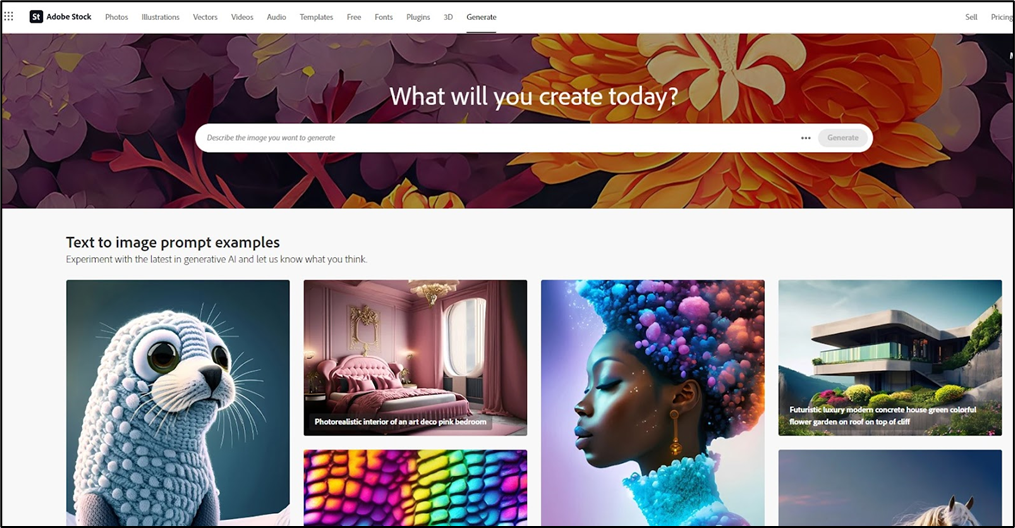
Adobe Sensei is Adobe’s AI assistant that is integrated across multiple Adobe Cloud services.
(Source: https://piktochart.com/blog/ai-graphic-design-tools/ (2024))
However, AI’s role in graphic design is not limited to automation. It also enhances the creative process in ways previously unimaginable. One example is generative design, where AI algorithms generate a wide array of design options based on parameters set by the designer. This method enables designers to explore numerous variations quickly and efficiently, expanding the scope of what’s creatively possible.
AI can offer unexpected solutions, pushing the boundaries of conventional design thinking. In industries like architecture, AI suggests structural options; in graphic design, it generates new compositions, shapes, and visual elements, offering designers a wealth of creative inspiration.
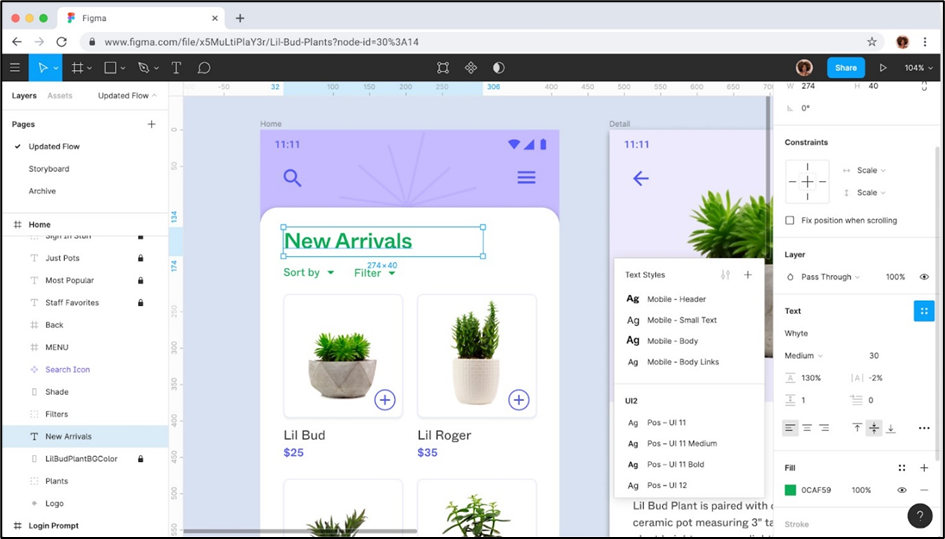
Figma is a design tool used to create user experience (UX) prototypes.
(Source: https://piogroup.net/blog/the-10-best-prototyping-tools-for-designers (2023))
AI is also transforming how design can be personalized on a large scale. In today’s marketing landscape, personalized content is critical to engaging audiences. AI allows designers to create tailored visuals and messages based on user data, including preferences, behaviour, and demographics. This kind of customization, previously time-consuming and resource-intensive, is now achievable on a large scale. Platforms like Canva’s Magic Resize can automatically generate multiple versions of a design suited for different platforms, enabling designers to deliver personalized content without sacrificing time or quality.
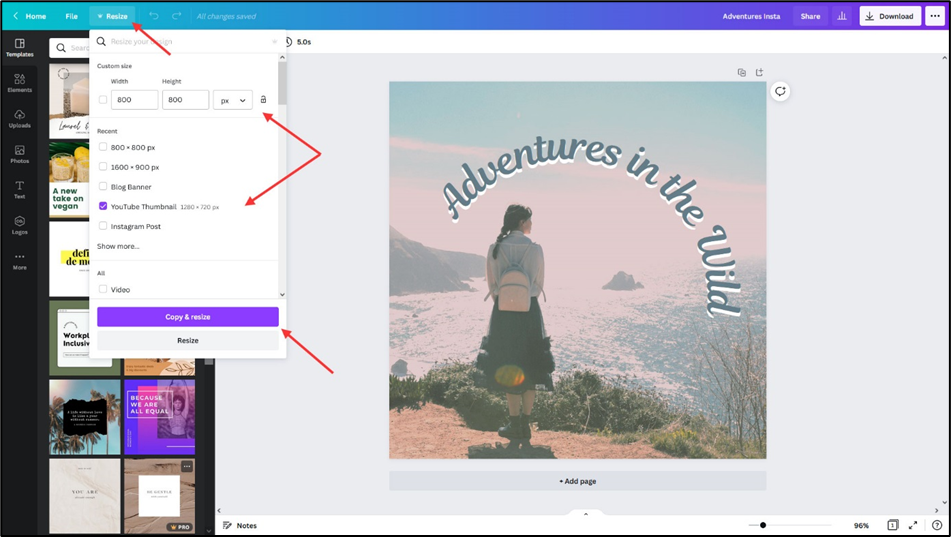
Canva is a graphic design tool that works to simplify the process of digital design.
(Source: https://www.thesideblogger.com/canva-pro-and-free-features-for-bloggers/ (2024))
The rise of AI-powered design tools is further reshaping the design landscape. Tools like Runway ML and Midjourney enable the creation of AI-enhanced visual elements, such as style transfers or full design generation, offering new capabilities to designers and non-designers alike. This democratization of design allows people without formal training to create professional-level content with ease, making design more accessible to a broader audience.
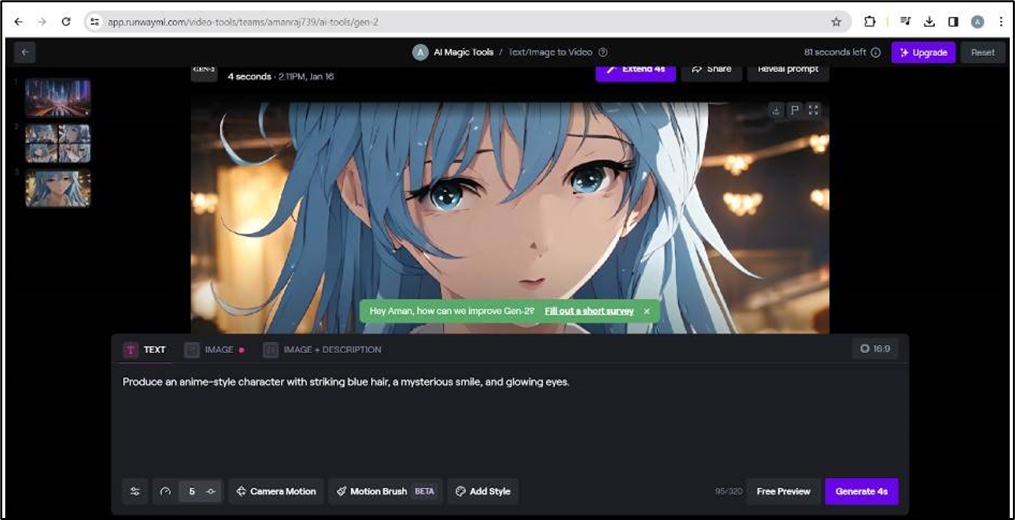
Runway ML is like a magical toolbox for artists and creators to make fantastic art, music, and videos.
(Source: https://www.shiksha.com/online-courses/articles/runwayml-where-art-meets-ai-for-limitless-possibilities-blogId-153191 (2024))
In addition to expanding creative possibilities, AI speeds up prototyping and iteration processes. Designers can now test different versions of a design without having to start from scratch each time, streamlining the development of design ideas. In fields like UX/UI design, AI tools can simulate user interactions, helping designers optimize layouts and flows before finalizing a design. This ability to quickly iterate not only accelerates the design process but also results in more user-friendly products.
Despite all these benefits, the integration of AI in graphic design does present challenges. One concern is the potential for AI-generated art replacing human designers, diminishing the value of human creativity in the process. Another issue relates to ethics, particularly in terms of copyright and originality. As AI produces content that often resembles existing works, designers must navigate the fine line between inspiration and infringement. It’s crucial that AI remains a tool to support and augment the creative process rather than replace it.
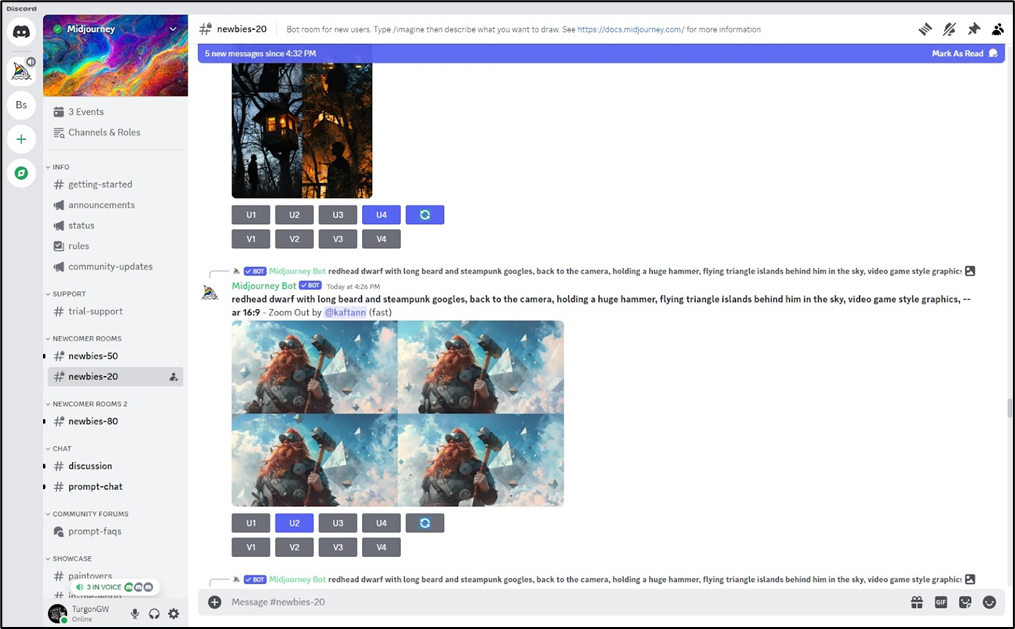
Midjourney is a generative AI tool that transforms text prompts into visual art.
(Source: https://piktochart.com/blog/ai-graphic-design-tools/ (2024))
In conclusion, AI is having a profound impact on the graphic design industry, transforming how designers work and what they are capable of creating. By automating repetitive tasks, enhancing creative exploration, enabling personalized design at scale, and speeding up the prototyping process, AI offers enormous potential to increase efficiency and unlock new creative possibilities. However, as the technology continues to evolve, designers must also grapple with the ethical implications of AI in their craft, ensuring that human creativity remains at the heart of the design process.
Date of Input: 21/10/2024 | Updated: 21/10/2024 | marini
MEDIA SHARING